
The Ultimate Guide to Picking a DBT Therapist for Your Child

When a child is struggling emotionally, the search for the right support can feel urgent and confusing. Not all therapists who mention DBT are trained to deliver it effectively, and the differences matter more than most parents realize. This guide walks you through how to evaluate DBT therapists with a clear, evidence-based lens so you’re not relying on guesswork or reassurance alone. For adults seeking DBT therapy for themselves, see our companion resource, The Ultimate Guide to Selecting a DBT Therapist for Adults.
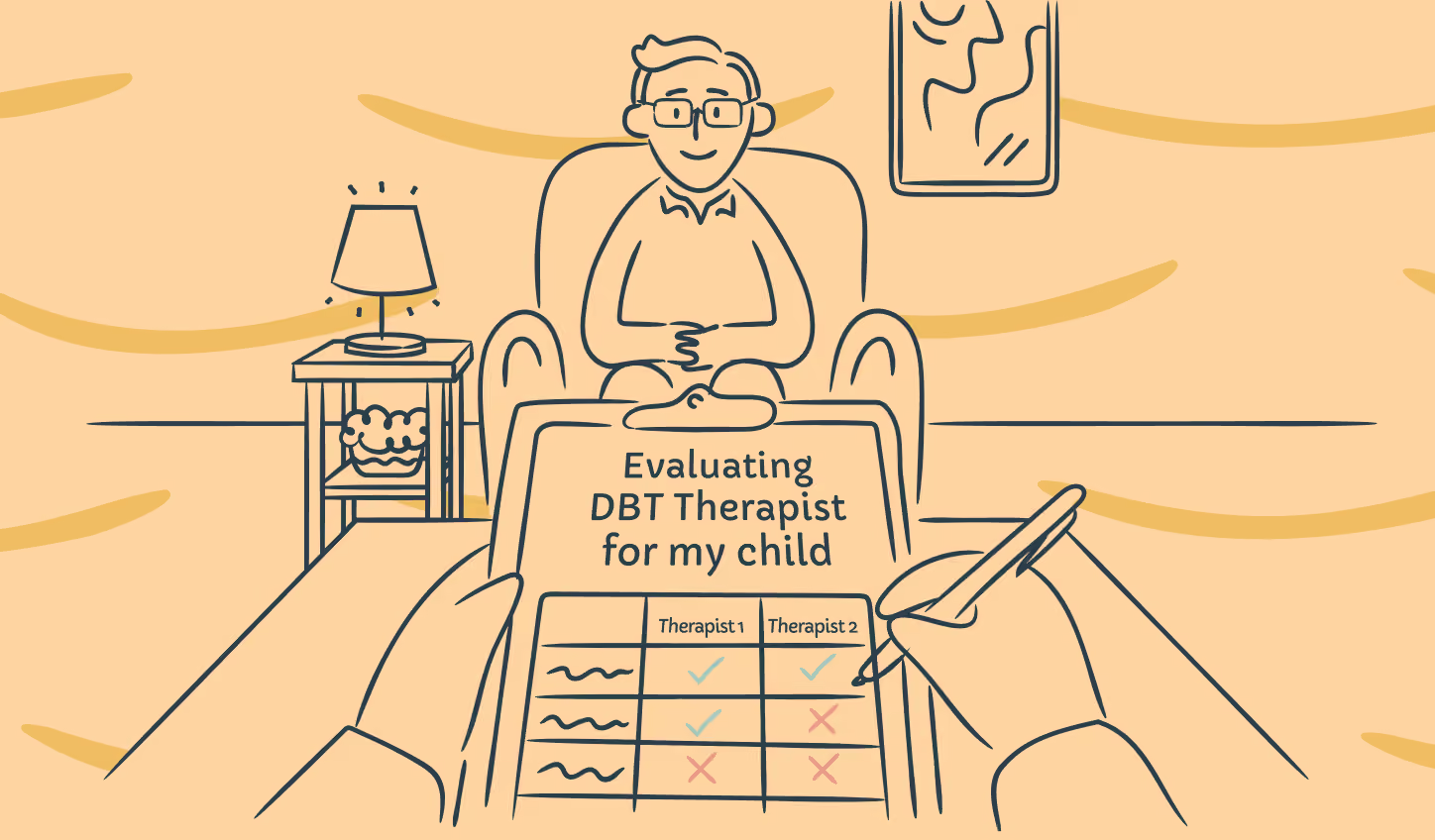
Jump to the topics:
Choosing a DBT therapist for your child can feel especially high-stakes. You’re not just selecting a provider. You’re making decisions about your child’s safety, emotional development, and long-term well-being.
This guide is designed to help parents make informed, confident decisions when choosing a Dialectical Behavior Therapy (DBT) therapist for a child, pre-teen, or teenager, using the same evidence-based framework as our Ultimate Guide for adults.
Before you begin, it’s worth noting that individual DBT therapy is not the only way to learn DBT skills. Some families start with DBT skills programs, parent-focused DBT training, or coaching and step up into therapy if needed. If you’re unsure where to begin, a licensed provider can help you determine the right level of care.
How to Select a DBT Therapist for Your Child
Just like with adults, DBT therapists for children and teens vary widely in training, structure, and quality. Because DBT is not a legally protected term, any therapist can claim to “use DBT,” even if their exposure is minimal.
As a parent, the most reliable tools you have are:
- Asking specific, informed questions
- Understanding what real DBT looks like in practice
- Paying attention to how the therapist explains their approach to you and to your child
What to Look For First (Baseline Criteria)
At minimum, a DBT therapist for your child should:
- Be a licensed mental health professional (or a supervised associate) legally allowed to treat minors in your state
- Have formal DBT training, not just self-study
- Be able to clearly explain DBT in developmentally appropriate language
- Describe how sessions are structured (skills teaching, practice, behavior change – not just talking)
Signs You’re on the Right Track
Strong DBT therapists for youth tend to:
- Talk naturally about skills practice, homework, or diary cards
- Explain how parents are involved (without sidelining the child)
- Describe DBT as both acceptance-based and change-focused
- Encourage questions and collaboration rather than defensiveness
Red Flags
Consider looking elsewhere if a therapist:
- Says they “do DBT” but can’t describe specific skills or structure
- Rejects worksheets, skills practice, or behavioral tools entirely
- Is vague about how parents are included or how progress is tracked
- Becomes defensive when you ask about training or approach
What Qualifications Make a Great Child DBT Therapist
Licensure is necessary, but it is not sufficient when it comes to DBT.
DBT requires specialized training, especially when working with children and adolescents. Teaching DBT skills to a 10-year-old or a resistant teen is very different from using DBT concepts with adults.
DBT-Specific Training to Look For
Strong indicators of qualification include:
- DBT for Adolescents (DBT-A) training
- DBT for Children (DBT-C) training
- Intensive DBT training through reputable organizations (e.g., Behavioral Tech / Linehan Institute)
- Participation in a DBT consultation team
- Board Certification through the DBT-Linehan Board of Certification (LBC-DBT) (gold standard, though less common)
Therapists trained in DBT-A or DBT-C understand:
- How to adapt skills to different developmental stages
- How to balance autonomy with parental involvement
- How to work with school systems, family dynamics, and emotional dysregulation in youth
Green Flags Specific to Child & Teen DBT
A well-trained child DBT therapist will:
- Teach DBT skills in age-appropriate ways (stories, visuals, role-play)
- Include parents intentionally (often teaching parents the same skills)
- Focus on behavior change, not just emotional insight
- Use structure consistently, even if sessions feel warm and relational
What to Expect Around Disclosure and Confidentiality
Confidentiality is often one of the most confusing and emotionally charged parts of therapy for parents.
The General Framework
In most cases:
- Parents consent to treatment and can access general information (diagnosis, treatment goals, safety concerns)
- Therapists do not share session-by-session details without the child’s consent
- Safety issues (self-harm risk, abuse, imminent danger) must be disclosed
This balance exists for a reason: therapy works best when children and teens trust that they can speak honestly.
What Good DBT Therapists Do Well
A skilled DBT therapist will:
- Explain confidentiality clearly at the start
- Set expectations about what will and won’t be shared
- Encourage transparency with the child’s awareness, not behind their back
- Involve parents in progress updates without violating trust
A good question to ask is: “How do you typically communicate with parents while still protecting the child’s therapeutic space?”
You’re listening for an answer that emphasizes collaboration, not secrecy or exclusion.
How to Get Buy-In From Your Child to Participate in Therapy

Resistance from teens is extremely common. It usually reflects fear, loss of control, or past negative experiences, not a lack of desire to feel better.
Strategies That Help
Normalize hesitancy
Acknowledge that therapy can feel awkward or intimidating. Avoid framing it as a punishment or “fix.”
Reduce the stakes
Instead of a long-term commitment:
- Offer a single intake or consultation
- Try one module or short time frame
- Frame DBT as learning skills, not “talking about feelings forever”
Use neutral introductions
Sometimes it helps for a neutral party (coach, program rep, therapist) to explain DBT – without parents present – to reduce pressure.
Meet them where they are
Explain DBT in terms that matter to them:
- Better friendships
- Less conflict at home
- Less overwhelm at school
- More control over emotions
Respect autonomy
Whenever possible, involve your child in choosing the therapist, asking questions, or deciding next steps. Feeling powerless increases resistance; feeling respected reduces it.
For more detailed strategies, see our blog post, What to Do If Your Teen Is Resistant to DBT.
Final Takeaway for Parents
You don’t need to be a DBT expert to choose a good DBT therapist for your child, but you do need clear information, the right questions, and permission to trust your instincts.
The best child DBT therapists:
- Are well-trained in DBT-A or DBT-C
- Use structure, skills, and behavioral tools consistently
- Balance confidentiality with parent collaboration
- Help your child feel respected, capable, and supported
Choosing thoughtfully now can make an enormous difference, not just in therapy outcomes, but in your child’s long-term ability to regulate emotions, build relationships, and create a life worth living.
.png)
.png)


.avif)