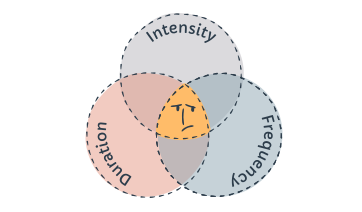
Have you ever wondered why your emotions feel more intense than others? Why small setbacks feel devastating, or why you struggle with emotional regulation when others seem to handle things effortlessly?
The answer might surprise you: it's not a character flaw. Instead, it comes down to how your biology and environment interact with each other to shape your emotional experience.
This is where the biosocial theory comes in. It's a framework developed through decades of DBT research that explains why some people struggle with intense emotions and how their environment affects emotional vulnerability. Understanding this theory can shift your entire perspective on your emotional experience.

From Self-Blame to Self-Compassion
The biosocial theory is transformative because it shifts the narrative from self-blame to self-compassion. Instead of believing something is wrong with you, you can recognize that you have a sensitive nervous system and developed coping strategies based on your environment. Both can change.
This understanding is the foundation of DBT, which teaches evidence-based skills including DBT emotional regulation techniques, distress tolerance strategies, interpersonal effectiveness, and mindfulness and awareness skills. Whether you're struggling with emotion regulation, relationships, or self-harm, learning how DBT addresses emotional vulnerability opens the door to real change.
Get the Complete Picture
If you've ever felt like your emotions are "too much," struggled to feel understood, or wondered why you can't just "calm down" like everyone else, this handout is for you.
It provides a clear, visual breakdown of the underlying patterns shaping your emotional experience. Whether you're exploring DBT skills for yourself or supporting someone you care about, the biosocial theory offers something powerful: a framework that replaces judgment with compassion and confusion with clarity.
👉 Download the Biosocial Theory of DBT Handout Now 👈
{{promo-banner-1}}


.svg)
.svg)
.svg)


.avif)