DBT for Panic Disorder

Living with OCD can mean spending hours caught up in thoughts you wish you could let go of. A small doubt can turn into an overwhelming need for certainty, while an unwanted thought may leave you questioning yourself long after it has passed. Dialectical Behavior Therapy (DBT) teaches skills that may help people manage the distress and uncertainty that come with OCD. Although DBT is not a replacement for Exposure and Response Prevention (ERP), the first-line treatment for OCD, these skills may offer additional support during treatment and in everyday life. This guide looks at how DBT's four core modules relate to OCD and what research tells us about the approach.
Overview of DBT for Panic Disorder
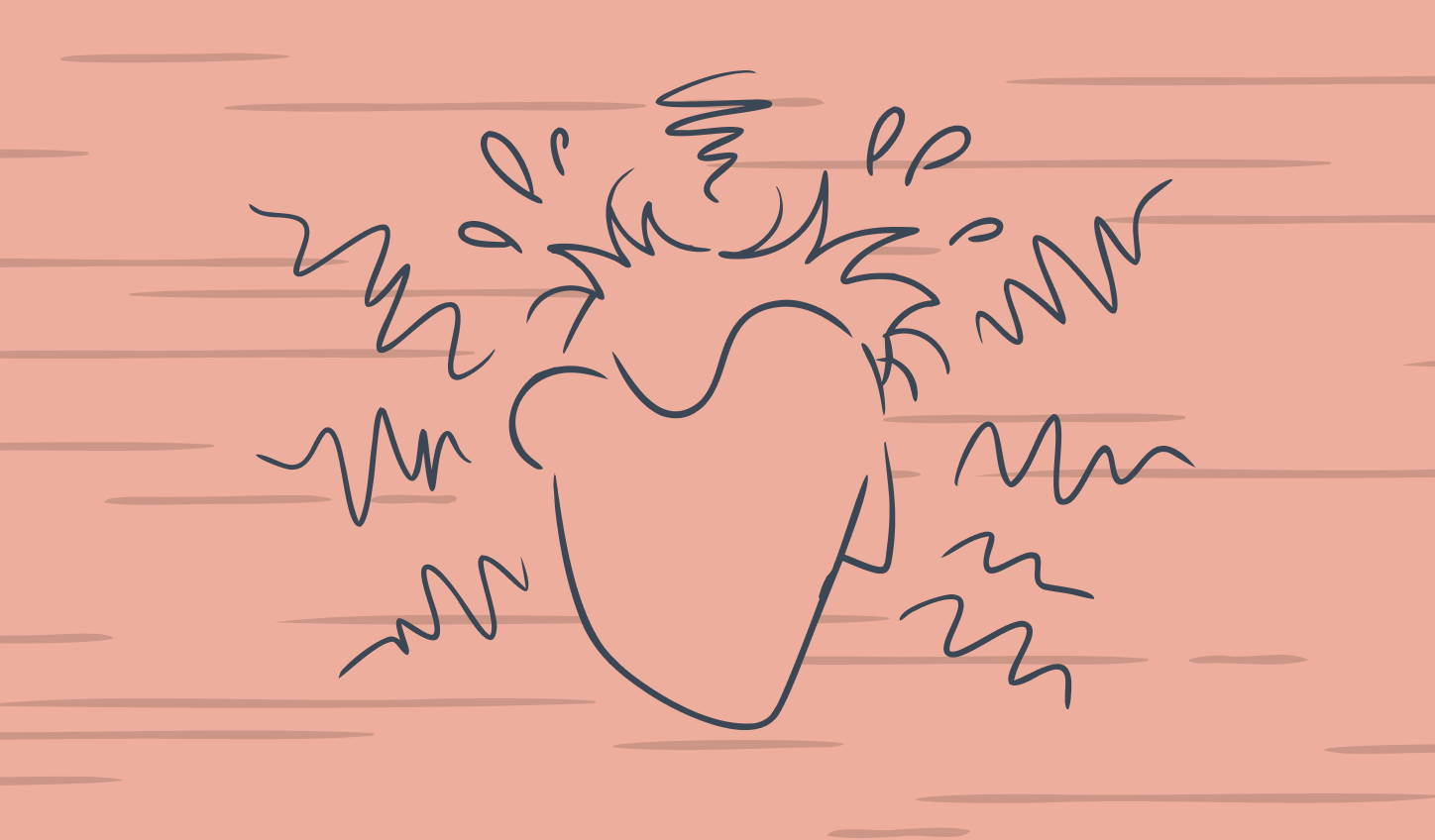
Panic disorder involves recurrent, unexpected panic attacks, surges of fear that peak within minutes, along with ongoing worry about having another one or changes in behavior to avoid it. Some people also develop agoraphobia, a fear of places where escape or help might feel out of reach, and the avoidance that follows can quietly shrink daily life. In the moment, an attack can feel like a medical emergency, and it is common to suspect the heart.
Dialectical Behavior Therapy (DBT) was developed by psychologist Marsha Linehan in the late 1980s and early 1990s, after she set out to help people whose emotions were so intense that the usual approaches weren't reaching them. Her central insight was that acceptance and change are not opposites. People need to feel understood exactly as they are, and they also need concrete skills to live differently. Holding both at once is the "dialectic" in the name.
What began with people struggling with overwhelming emotion and self-harm has grown well beyond that. The same skills are now taught to people living with depression, eating disorders, substance use, trauma-related distress, and anxiety, in individual and group settings, in clinics and increasingly online. The skills themselves are plain. There are ways to notice what is happening, ways to get through a hard moment without making it worse, ways to understand and shift an emotion, and ways to ask for what you need.
DBT was not designed for panic disorder, and as the Research section explains, it has not been tested in it directly. Its skills are applied here because they line up with what panic asks of a person: staying with intense sensations, getting through a peak, easing the fear that builds between attacks, and asking other people for support. In practice, that means redirecting attention and effort away from escaping the sensation and toward responding to it on purpose. That shift, from running from the surge to working with it, is what each of the following four modules is built to practice:
- Mindfulness teaches you to notice what is happening in your body and mind as it happens, without automatically reacting to it.
- Distress Tolerance offers ways to get through the peak of an intense moment without making it worse.
- Emotion Regulation builds an understanding of how emotions form and what shifts them, including the fear of the next attack.
- Interpersonal Effectiveness covers asking for what you need and keeping your limits while staying connected to people.
Panic rarely shows up as a single, isolated problem, which is part of why these four modules aren't meant to be worked through strictly one at a time. Skills from different modules can be paired together to shift a response in the moment, noticing the urge to flee with a mindfulness skill, then working the fear of the next attack underneath it with an emotion regulation one, rather than treating each module as a separate toolkit reached for on its own. Learn more about skill stacking in the case study below.
DBT vs. Other Treatments for Panic Disorder
Panic disorder has well-studied treatments, and a skills group is not a substitute for them. The two with the strongest track record are CBT that includes exposure and medication prescribed by a clinician, and they are often used together. The Research section below summarizes the trial evidence for each. Here the question is how DBT's skills relate to those options in everyday practice.
CBT for panic usually works by testing the catastrophic prediction directly. You learn that a racing heart is not a heart attack, often by deliberately bringing on harmless sensations, such as spinning in a chair or breathing through a narrow straw, and staying with them until the fear passes. This is called interoceptive exposure. In a randomized trial comparing ways of delivering interoceptive exposure, the advantage of the more intensive version was explained by people tolerating fear better and expecting less harm from the sensations, which is the kind of learning exposure is built to produce. The participants had high anxiety sensitivity rather than a panic disorder diagnosis, so the finding is an indication of how exposure works, not a test of panic treatment. Nothing in DBT replaces that mechanism.
DBT starts from a different question. Instead of asking how likely the feared outcome is, it asks what you will do with the feeling while it is here. Mindfulness and radical acceptance teach you to let a sensation exist. Distress tolerance gives you something to do at the peak. Emotion regulation works on the fear of fear and the habits it builds, and interpersonal skills address what panic does to your relationships and your daily routine. The two approaches also overlap, since DBT grew out of CBT, and Opposite Action is a close cousin of exposure.
Medication, most often an antidepressant such as an SSRI, is the other established option, and the decision to use it belongs to you and a prescriber. It can also be combined with CBT: a 2007 Cochrane review of combined psychotherapy plus antidepressants for panic disorder found the combination worked better than either one alone during the acute phase, with somewhat more people stopping because of side effects than with psychotherapy alone. After treatment ended, the combination was no better than psychotherapy alone. Learning skills and taking medication are not mutually exclusive.
A sensible order looks like this. Start with an evaluation, because panic symptoms can overlap with medical conditions and the right treatment depends on an accurate picture. If a clinician recommends CBT with exposure, medication, or both, those come first. A skills group can then run alongside them, with the same clinician in the loop, or serve as a place to start learning while you wait to begin care.


Psychoeducation as a Starting Point for Panic Disorder
Before any skill can help, it helps to understand what panic is doing. Panic is your body's alarm system, the same one that pulls you out of the path of a car, firing when no car is coming. Adrenaline speeds up your heart and breathing, and the sensations that follow (a pounding pulse, dizziness, tingling, a feeling of unreality) are real. They are uncomfortable, and once a doctor has ruled out a medical cause, they are generally not dangerous in themselves.
Good psychoeducation puts the whole loop in front of you. A sensation shows up, the mind reads it as a threat, fear intensifies the sensation, and an escape or a safety behavior brings relief that teaches the brain the threat was real. Seeing that loop laid out is often the first time panic stops feeling random. It also shows where a skill can step in: at the moment of noticing, at the peak, in the aftermath, or in the conversation with someone who loves you.
TheraHive is psychoeducational. It does not diagnose, it is not psychotherapy, and panic disorder is a diagnosis made by a clinician, not by a web page. What psychoeducation offers is understanding and practice. You learn how your own alarm system works, try skills in a structured setting, and bring what you learn back to the professionals involved in your care.
For some people, panic makes leaving the house feel risky, which is one reason virtual learning can matter. An online DBT skills program lets you practice where you feel most able to experiment, with a facilitator and other learners, and then carry the skills into harder places. If avoidance is already shaping your week, bring that to a clinician as well, since gradual, planned exposure is a core part of CBT for panic.
Mindfulness Skills for Panic Disorder
Mindfulness in DBT means paying attention on purpose, in the present moment, without judging what you find. For panic, it targets the moment where a sensation turns into a story. The mind converts a racing heart into a forecast, and the forecast feels like fact.
Observe and Describe are the foundation. Observing is simply noticing, and describing is putting words to what you notice, sticking to what a camera would record. "My heart is beating fast" is an observation. "I am having a heart attack" is a thought. Picture someone in a checkout line when their chest tightens. Instead of scanning for the nearest door, they silently describe a tight chest and a warm face, label the thought that people are staring as a thought, and bring their attention back to the conveyor belt and the beep of the scanner. The attack may still peak, but they have stayed in the room with it, and that is a new experience for a nervous system used to leaving.
Non-Judgmental stance takes aim at the second layer of suffering. Panic invites a verdict on yourself, something like "what is wrong with me, I should be past this by now." Describing instead of judging ("this is a surge of fear") means you are dealing with one wave instead of two.
One-Mindfully means giving your full attention to one thing at a time. During a surge, attention scatters between the sensation, the exits, the people nearby, and the worst case. Choosing a single anchor, such as the feel of your feet on the floor or the task in your hands, gives attention somewhere to rest.
Wise Mind is the place where your emotional mind and your reasonable mind overlap. Panic is emotional mind at full volume. Wise mind can hold "this feels terrifying" and "I have been through this before, and it passed" at the same time.
Many DBT mindfulness exercises can point outward before they point inward. If your body sensations are the trigger, naming five things you can see in the room for a minute or two may be far more doable than a body scan. A facilitator can adjust an exercise when attention to the body raises the fear instead of lowering it.
Try one of our brief and calming mindfulness exercises below. For more free mindfulness exercises, visit our YouTube playlist.


Distress Tolerance Skills for Panic Disorder
Distress tolerance skills are for the moments when a feeling is too big to solve and the goal is simply to get through without doing something that costs you later. For panic, that moment has a recognizable shape. The surge climbs, the urge to flee grows, and the escape that follows teaches the brain that fleeing was necessary.
Several DBT distress tolerance techniques were designed to bring intense arousal down quickly, and TIPP is the best known. It uses temperature, intense exercise, paced breathing, and progressive muscle relaxation to change the body's state directly. Cold water on the face is one version of the temperature piece, and making your exhale longer than your inhale is a common version of paced breathing. Because some of these resemble sensations a person with panic fears, the order in which you learn them matters. Try a skill when you are only mildly activated before you count on it at the peak. If you have a heart or breathing condition, check with your doctor before using exercise or cold-based skills.
STOP works like a pause button: Stop, Take a step back, Observe, and Proceed mindfully. When the urge to bolt from a meeting arrives, it puts a few seconds between the urge and the action. That is often enough to choose whether to leave on purpose or to stay a little longer.
Radical Acceptance does not mean liking panic or giving up. It means dropping the fight with the fact that a surge is happening right now, because the fight adds a second layer of fear on top of the first. Imagine someone sitting in a parked car after an attack at a freeway on-ramp. Instead of "not again, I have to make this stop," they say, "This is happening. It is uncomfortable, and it will crest and fall." The sensations are the same, but the second voice leaves room to wait it out.
Self-Soothe uses the senses to calm the body, through something like a cold drink or a familiar scent. Used to get through a peak, it is a fair tool. If it becomes the only way you can be in a feared situation, it can start to work like a safety behavior, which is worth raising with a clinician.
Pros and Cons helps with the decision that comes after the peak. Setting the short-term relief of skipping the grocery store beside what avoidance costs you over the next month makes the trade visible, and it gives you a reason to try the harder option that is your own rather than someone else's.
Emotion Regulation Skills for Panic Disorder
Between attacks, many people with panic live with a low hum of anticipation, a fear of the fear itself. DBT emotional regulation skills work on that layer. They start with understanding: what emotions are for, how they build, and what makes you more vulnerable to them on a given day.
PLEASE Skills are about lowering that vulnerability by caring for your body. Poor sleep or a skipped meal can make a nervous system easier to tip over, and caffeine can produce sensations that feel a lot like panic. Once you track those factors, panic stops looking like a bolt from the blue and starts to look like something with a pattern. The chain analysis mini course teaches the DBT method for tracing how one moment leads to the next, from what made you vulnerable that day to what you did after the attack, and it suits the person who says every attack came out of nowhere.
Check the Facts separates what happened from what you are assuming about it, and then asks whether the size of the fear fits the facts. "I'm going to faint" can be weighed against the experience of someone who has had many attacks and never fainted. The fear may still be loud, but it loses some of its authority.
Opposite Action speaks to how you respond to fear. Fear's urge is to leave or avoid, and the skill means acting against that urge when the fear does not fit the facts of the situation. Consider a man who stopped taking the train after an attack on a platform. Opposite action might mean standing at the station for five minutes with a plan for riding out the wave, then riding one stop the next week. The steps are small and chosen in advance, which is what separates this from white-knuckling it. This resembles the gradual exposure used in CBT, and when avoidance is significant it is worth doing with a clinician who can pace the steps with you.
Cope Ahead means rehearsing a plan for a situation you expect to be hard. Before a long Monday meeting, you picture the moment the tightness starts, name the skills you will use, and imagine using them. Walking in with a plan changes what the anticipation feels like, because the unknown part has shrunk.
For a deep dive on opposite action and other emotion regulation skills, check out the Thriving With DBT podcast episode below where TheraHive co-founder Dr. Alicia Smart walks through the skills in real-time with a real TheraHive student.


Interpersonal Effectiveness Skills for Panic Disorder
Panic is private, and it quietly reshapes relationships. People cancel plans with vague excuses. A partner learns to tiptoe around anything that might set off an attack. A manager never hears why someone keeps stepping out of meetings. DBT interpersonal effectiveness skills give you a structure for asking for what you need while keeping the relationship intact.
DEAR MAN is the best known of them. It stands for Describe, Express, Assert, Reinforce, stay Mindful, Appear confident, and Negotiate. Someone who dreads long meetings might say to a supervisor, "In long meetings I sometimes get overwhelmed physically and need to step out for a few minutes. I'd feel more at ease sitting near the door and leaving without explaining each time. Would that work?" The request is specific, and it leaves room for the other person to offer something different.
GIVE protects the relationship while you ask: be Gentle, act Interested, Validate, and keep an Easy manner. If you have to leave a friend's birthday dinner early, GIVE sounds like "I'm really glad I came, and I want to hear how the trip went. I need to head out now, and can we catch up on Thursday?" The friend hears care instead of a mystery.
FAST protects your self-respect: be Fair, skip needless Apologies, Stick to your values, and be Truthful. Many people with panic apologize constantly for having it. Swapping "I'm so sorry, I'm such a mess" for "I need a few minutes outside, and I'll be right back" asks for the same thing with less shame attached.
Validation is the skill loved ones can use most. Watching an attack can leave a partner feeling helpless, and "just breathe" or "you're fine" can land as dismissal. Validation means acknowledging that the fear is real without agreeing that the danger is. "That looks really frightening. I'm here, and I'm not going anywhere" sounds very different. Keeping your own limits matters too, especially for the supporter who has been quietly rearranging their own life around the avoidance and is running low.
Research on DBT for Panic Disorder
The most important finding is an absence. At the time of writing, we could not find any published trial that tested a DBT skills program specifically in people diagnosed with panic disorder. That means this page cannot tell you that DBT treats panic disorder, and it does not. What it offers is a reasoned connection between DBT's skills and the experience of panic, not a proven one.
The established evidence sits elsewhere, beginning with psychological treatment. In a network meta-analysis of 136 randomized trials of psychotherapies for panic disorder, CBT beat usual care by a moderate margin (a standardized mean difference of about -0.67, with moderate confidence in the evidence) and was the only approach that still held up once studies at high risk of bias were removed.
Medication has its own evidence base. A Cochrane review of antidepressants for panic disorder included 41 trials with 9,377 participants and found people on antidepressants were less likely to fail to respond than people on placebo (a risk ratio of 0.72, or roughly seven people treated for one additional person to benefit). The authors rated that evidence as low quality, and antidepressants were also less well tolerated, with more people leaving trials because of side effects. Decisions about medication belong with a prescriber.
The closest DBT findings come from generalized anxiety disorder, a different condition from panic disorder, so they are suggestive at most. In a trial of a 10-session group skills program for men with generalized anxiety disorder, 40 outpatients who met weekly for 90 minutes showed larger drops in anxiety severity and in difficulty regulating emotions than a wait-list group, and the difference was still visible at follow-up.
A randomized comparison of DBT and CBT in 72 people with generalized anxiety disorder found lower anxiety and depression scores after both approaches, with gains kept at a three-month follow-up and a larger improvement in executive function in the DBT group. Both generalized anxiety studies were small, and neither tested panic disorder.
On format, a network meta-analysis of CBT delivery formats for panic disorder found that guided self-help worked about as well as individual or group sessions delivered face to face, though no comparison earned high confidence. That research concerned CBT, so it says something about learning remotely with guidance and nothing about DBT. Whether a virtual DBT skills group helps panic specifically has not been tested.
Taken together, CBT with exposure and, for some people, medication remain the first-line approaches with the strongest evidence. A skills group is best understood as a way to build attention and emotion skills alongside that care. The open research question is whether those skills add anything for people with panic disorder, and a well-designed trial comparing standard care with and without a skills component would answer it.
Finding Your Footing After Panic
Panic can make the world feel smaller, and the skills above are aimed at giving some of it back, one small, planned step at a time. If asking a supervisor for a seat near the door, or learning to ride out an attack in a parked car, sounds like something you'd want practice with, the Adult DBT Skills Groups at TheraHive teach these skills in a live, structured format, and they are psychoeducational and sit alongside any medical or mental health care you already have. If you'd rather start lighter, the free Navigating DBT Mini Course is another option.
Frequently Asked Questions
Can DBT help with panic attacks?
Yes. DBT can help people manage the intense fear, physical sensations, and overwhelming emotions that accompany panic attacks. Distress tolerance skills help you get through a panic episode without escalating it, while mindfulness teaches you to observe sensations and thoughts without immediately reacting to them. Over time, these skills can help you feel more capable of handling moments of intense anxiety.
What DBT skills are most helpful for panic disorder?
Mindfulness, distress tolerance, and emotion regulation are especially helpful for panic disorder. Mindfulness helps you notice what's happening without judgment, distress tolerance helps you ride out intense fear without impulsively trying to escape it, and emotion regulation helps reduce vulnerability to anxiety over time. Together, these skills can help you respond to panic with greater confidence and control.
Can DBT stop a panic attack once it starts?
DBT may help reduce the distress surrounding a panic attack, but it isn't designed to guarantee that an attack will stop immediately. Skills like paced breathing, grounding, STOP, and self-soothing can help you stay present, reduce secondary fear, and avoid reacting in ways that reinforce panic. The goal is to learn that you can get through the experience, even when it feels overwhelming.
How does DBT help with the fear of having another panic attack?
Fear of another panic attack can lead people to avoid situations, constantly monitor their bodies, or seek reassurance to feel safe. DBT teaches mindfulness and distress tolerance skills that help you recognize these patterns and respond differently. With practice, you can begin tolerating uncertainty and uncomfortable sensations without allowing fear of panic to dictate your decisions.
Is DBT or CBT better for panic disorder?
CBT, particularly panic-focused CBT, is one of the most established treatments for panic disorder. It often includes learning about panic, changing catastrophic interpretations of physical sensations, and practicing exposure to feared sensations and situations. DBT offers complementary skills for managing emotional intensity, tolerating distress, and reducing reactive behaviors. For many people, DBT skills can supplement CBT or other treatment approaches, especially when panic is accompanied by broader emotional regulation difficulties.
How is DBT different from exposure therapy for panic disorder?
Exposure therapy helps people gradually confront feared sensations, situations, or experiences instead of avoiding them. DBT focuses on developing skills to manage emotional distress, tolerate uncomfortable sensations, and respond mindfully. While exposure directly addresses avoidance and fear conditioning, DBT helps build the emotional tools needed to navigate distress. The approaches can complement each other as part of a treatment plan.
Why does panic disorder make me afraid of my own body?
Panic attacks can cause physical sensations such as a racing heart, dizziness, shortness of breath, chest tightness, or trembling. When these sensations are interpreted as signs of danger, fear can intensify them, creating a feedback loop that makes panic feel increasingly uncontrollable. DBT mindfulness skills help you observe physical sensations without immediately interpreting them as catastrophic, while distress tolerance helps you manage the discomfort without escalating the fear.
Can DBT help me stop avoiding places because of panic attacks?
DBT can help you recognize avoidance patterns and develop the skills to manage the anxiety that makes certain places or activities feel unsafe. Distress tolerance and mindfulness can help you navigate uncomfortable situations without automatically escaping or relying on safety behaviors. Gradual exposure is often an important part of addressing avoidance, particularly when panic disorder is accompanied by agoraphobia.
How does mindfulness help with panic disorder?
Mindfulness teaches you to pay attention to the present moment without judging, resisting, or trying to control every thought and sensation. During panic, this might mean noticing a racing heartbeat, acknowledging that fear is present, and bringing your attention back to what's happening around you rather than spiraling into worst-case scenarios. With practice, mindfulness can help loosen the cycle of fear, anticipation, and reactivity.
Can DBT help with anxiety between panic attacks?
Yes. Panic disorder often involves anticipatory anxiety, or the persistent worry that another panic attack might happen. DBT emotion regulation skills can help you identify anxiety triggers, reduce emotional vulnerability, and build routines that support greater stability. Mindfulness and distress tolerance also help you respond to anxious thoughts without spending the day trying to prevent every possible episode.
What happens in an online DBT skills group for panic disorder?
An online DBT skills group typically includes a mindfulness exercise, discussion of previously learned skills, instruction in a new skill, and opportunities to apply it to real-life situations. Participants learn the four DBT modules: mindfulness, emotion regulation, distress tolerance, and interpersonal effectiveness. The structured format helps you understand the skills and practice incorporating them into everyday life, including moments when anxiety or panic feels difficult to manage.
Is DBT a substitute for medication for panic disorder?
No. DBT is a skills-based approach and is not a substitute for medication or other treatment prescribed for panic disorder. Medication, psychotherapy, and skills training can serve different purposes and may be used together depending on your needs. If you're considering changing or stopping medication, talk with your prescribing clinician first.
How do I know if DBT is right for me if I have panic disorder?
DBT may be helpful if panic attacks leave you feeling emotionally overwhelmed, if you struggle to tolerate uncertainty or physical discomfort, or if anxiety is affecting your relationships and daily decisions. It can also be useful if you find yourself avoiding experiences, reacting impulsively to distress, or feeling frustrated that anxiety controls so much of your life. DBT skills training can complement treatment for panic disorder by helping you develop practical skills you can use outside of sessions.
References
Afshari, B., & Hasani, J. (2020). Study of Dialectical Behavior Therapy Versus Cognitive Behavior Therapy on Emotion Regulation and Mindfulness in Patients With Generalized Anxiety Disorder. Journal of Contemporary Psychotherapy
Babaheydari, S. H. M., Homayooni, R., Zare, R., Mohammadi Giski, M., Khodarahimi, S., & Rasti, A. (2024). The Effectiveness of Group-Based Dialectical Behavior Therapy on Emotional Regulation Problems and Anxiety Severity in Males With Generalized Anxiety Disorder. Current Psychology
Bighelli, I., Castellazzi, M., Cipriani, A., Girlanda, F., Guaiana, G., Koesters, M., Turrini, G., Furukawa, T. A., & Barbui, C. (2018). Antidepressants Versus Placebo for Panic Disorder in Adults. Cochrane Database of Systematic Reviews
Deacon, B., Kemp, J. J., Dixon, L. J., Sy, J. T., Farrell, N. R., & Zhang, A. R. (2013). Maximizing the Efficacy of Interoceptive Exposure by Optimizing Inhibitory Learning: A Randomized Controlled Trial. Behaviour Research and Therapy
Furukawa, T. A., Watanabe, N., & Churchill, R. (2007). Combined Psychotherapy Plus Antidepressants for Panic Disorder With or Without Agoraphobia. Cochrane Database of Systematic Reviews
Papola, D., Ostuzzi, G., Tedeschi, F., Gastaldon, C., Purgato, M., Del Giovane, C., Pompoli, A., Pauley, D., Karyotaki, E., Sijbrandij, M., Furukawa, T. A., Cuijpers, P., & Barbui, C. (2022). Comparative Efficacy and Acceptability of Psychotherapies for Panic Disorder With or Without Agoraphobia: Systematic Review and Network Meta-Analysis of Randomised Controlled Trials. The British Journal of Psychiatry
Papola, D., Ostuzzi, G., Tedeschi, F., Gastaldon, C., Purgato, M., Del Giovane, C., Pompoli, A., Pauley, D., Karyotaki, E., Sijbrandij, M., Furukawa, T. A., Cuijpers, P., & Barbui, C. (2023). CBT Treatment Delivery Formats for Panic Disorder: A Systematic Review and Network Meta-Analysis of Randomised Controlled Trials. Psychological Medicine
Related Reading